Coaches and athletes are leveraging big data analysis to gain an edge as Olympic competition is now at unprecedented levels of intensity. To enhance performance, prevent injuries, and optimize strategies, training in today's highly competitive sporting environment involves more than physical conditioning. With advancements in sports data analysis, Olympic athletes can now make better-informed decisions, quantify progress accurately, and modify training methods on the basis of data-driven analysis.
Big data is turning out to become an essential factor in Olympic sports due to the shift in athlete training towards data, which is revolutionizing the way top athletes train.
The Growing Impact of Big Data on Olympic Training
The days of training just relying on experience and intuition are long gone. Olympic sports are increasingly led by big data, which enables coaches and players to monitor everything from muscle tiredness and oxygen levels to movement patterns. Olympic teams may gather and examine a great deal of data with real-time sports data, such as:
Biomechanical data: evaluating the effectiveness of movement to improve methods.
Physiological information, such as heart rate, oxygen intake, and recuperation durations.
Performance trends: monitoring the development of training over several months or years.
Analyzing rivals' advantages and disadvantages in order to create effective strategies.
 Olympic squads can achieve tactical adjustments that improve performance and minimize the risk of injury through the integration of sports data analysis into training protocols.
Real-Time Sports Data: A Game-Changer in Athlete Preparation
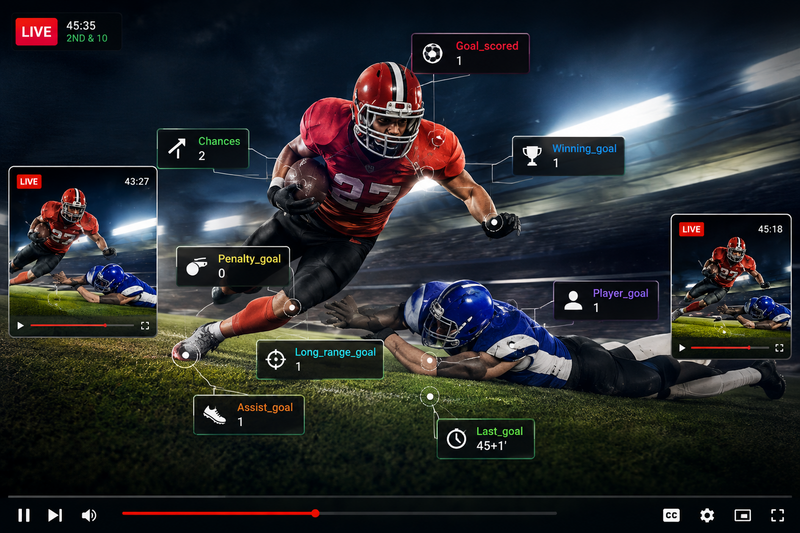
The ability to collect and analyze live sports data is one of the largest advancements in modern Olympic training. Athletes can receive real-time performance feedback through wearable sensors, intelligent tracking devices, and artificial intelligence-driven analytics.
Real-time sports data, for example, can be utilized to measure an athlete's efforts on the field like training time, speed, and response time. Coaches can adjust a runner's training program in real-time to optimize performance if their stride efficiency drops during a session. Similarly, by spotting early indicators of weariness or muscular tension, sports data analytics may pinpoint possible injury concerns. These insights assist teams in developing customized training plans that dynamically adjust to the state of an athlete, guaranteeing optimal performance at the appropriate time, particularly during crucial Olympic competitions.
The Role of Data in Athlete Preparation for Olympic Success
Big data in sports preparation enabled athletes to train smarter instead of just harder. It is possible for coaches to determine the optimal training loads, recuperation periods, and competition strategies by analyzing predictive modeling and past data.
1. Data-driven performance optimization
Medal winners enhance their endurance, pace, and precision with data-driven training programs. Teams are able to identify areas for improvement and maximize every aspect of an athlete's program by breaking down past performance into detailed sports data analytics.
For instance, top swimmers use motion-tracking information to fine-tune strokes. Athletes can also readily adjust their technique using real-time sporting information, which ultimately enhances performance.
2. Injury Prevention and Recuperation
One of the key components of Olympic preparation is preventing injuries. Medical staff can track an athlete's biomechanics and detect early signs of stress or fatigue before they become serious illnesses through sports data analytics. Athletes can recover to peak performance sooner due to data-driven rehabilitation programs that also speed up recovery. In order to prevent overtraining and needless injuries, Olympic teams now employ real-time sports data to track muscle tension, hydration levels, and movement efficiency.
 3. Examining Rivals to Gain a Competitive Edge
It requires more than just individual talent to take an Olympic gold; it also requires a deep understanding of the sport. Teams can analyze the playing habits, tendencies, and weaknesses of their competitors using big data analytics.
Real-time analysis, for example, can reveal an opponent's attacking patterns in sports such as boxing or wrestling, enabling sportsmen to adapt their defense strategy. Real-time sports statistics help coaches make informed decisions regarding tactics, set pieces, and substitutions during matches in team sports such as basketball and soccer.
Why Data Sports Group is the Ideal Partner for Olympic Sports Data
A dependable supplier of high-quality Olympic sports data is required by enterprises as the need for sports data analytics increases. One of the top providers of thorough real-time sports data is Data Sports Group, which provides:
Predictive modeling and advanced sports analytics for athlete preparation.
Analyze long-term trends and advancements using historical and comparative data.
Smooth API connectivity for sports platform operators and training facilities.
Olympic teams, broadcasters, and analysts may obtain a competitive edge in comprehending real-time sports data and maximizing performance for the ultimate prize—Olympic gold—by utilizing Data Sports Group's experience in sports data.
Conclusion
The significance of big data in Olympic training and preparation is revolutionizing how coaches and athletes perceive competition. Sports data analysis is unlocking new opportunities in Olympic sports, ranging from injury prevention and tactical analysis to real-time sports data.
Olympic success will depend on having access to precise, real-time insights as data continues to influence top performance. Data Sports Group is the go-to source for the most cutting-edge sports data analytics solutions, whether they are used for training, competitive analysis, or strategic decision-making.
Are you prepared to advance your Olympic sports strategy? For the most dependable real-time sports data and analytics insights available on the market, rely on Data Sports Group.