The goal of sports broadcasting has always been to convey the passion and intensity of the match. But today we need a lot more to meet the needs of contemporary viewers. How can each play bring the audience closer to the action?
The use of technology in sports broadcasting is more important than ever. With previously unheard-of levels of engagement and immersion, artificial intelligence (AI) and real-time sports data feeds are completely changing how we watch and experience sports. Let's examine how artificial intelligence and live sports data feeds are changing sports broadcasting and the implications for fans around the globe.
Conventional Broadcast Restrictions
Although Broadcasting was successful in the previous age, traditional sports broadcasts had their drawbacks. They offer a uniform experience with common highlight packages and camera angles. Broadcasters are finding it difficult to satisfy fans' growing demands for more individualized and engaging experiences.
The Changing Demands of Contemporary Audiences
Think of the annoyance of missing a crucial play because the camera missed it or the need for a more thorough analysis when the action was live. Viewers today have higher expectations for their sports viewing experiences since they are used to the interactive aspect of digital information. They want real-time analytics, a variety of viewpoints, and content that is tailored to their interests. It's time to close the growing gap between these expectations and what traditional broadcasting provides.
 Sports Broadcasting Solutions Powered by AI
AI has the potential to completely change sports broadcasting by altering the way that sporting events are recorded, examined, and presented. Here are some ways AI can influence Sports Broadcasting:
1. Multi-angle replays that are automated
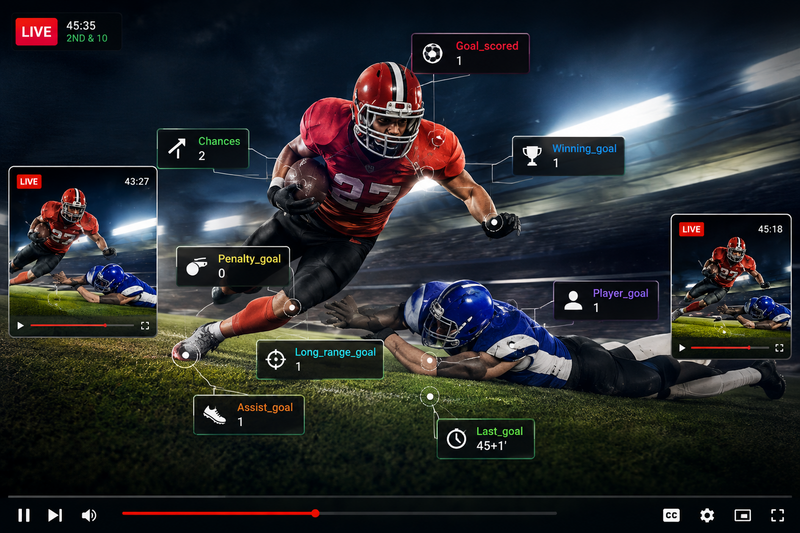
The automatic creation of multi-angle replays made possible by AI technology offers viewers a dynamic watching experience. AI may alternate between several camera angles to highlight the most thrilling moments by evaluating the game in real-time, making sure that no crucial play is missed.
2. Tailored Content Distribution
Viewer preferences can be analyzed by AI systems to provide tailored content. Depending on their preferred sports, teams, and individuals, fans will get personalized highlights, news, and updates. The watching experience becomes more interesting and relevant with this degree of customization.
3. Real-time insights and analytics
AI can deliver real-time statistics and insights during live broadcasts, providing context and a deeper level of comprehension. AI improves the storytelling element of sports broadcasting, making it more interesting and educational, whether it is used to track an athlete's performance stats or analyze game plans.
4. AI-Powered Improved Storytelling
Through the creation of automated highlight reels and in-depth research, AI-powered solutions may improve storytelling. AI may be used by broadcasters to construct captivating storylines about the events, putting viewers closer to the action and offering a more immersive viewing experience.
Even while AI has made amazing strides, it also poses a threat to the established elements of sports broadcasting. Some believe that excessive use of technology lessens the game's authenticity. AI integration, however, can complement conventional broadcasting techniques rather than replace them, providing viewers with a more thorough and engaging experience. The goal of integrating AI into sports broadcasting is to increase audience experience and engagement rather than only improve technology. AI is revolutionizing sports broadcasting by offering more individualized, engaging content, making viewers feel closer to the games and athletes they love.
 Power of Real-Time Sports Data Feeds
Real-time sports analytics and sports data API are at the core of the sports broadcasting revolution. In order to enhance the broadcast, real-time access is given to enormous volumes of data that can be processed, examined, and presented instantaneously. By combining these technologies, broadcasters may provide viewers with a more captivating experience that includes player insights, multi-angle replays, real-time data, and customized highlights.
The Importance of Real-Time Sports Analytics
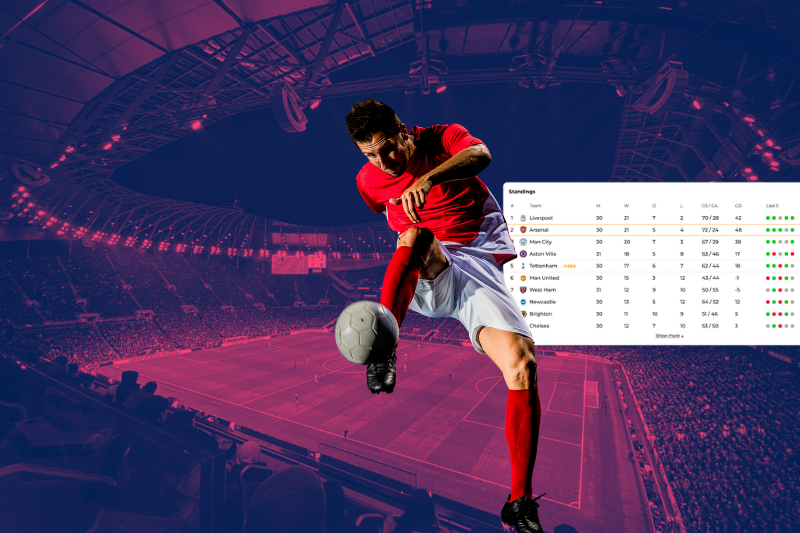
It is revolutionary to be able to offer real-time sports analytics during live broadcasts. Sports data feeds, for example, can monitor a player's pulse rate, shooting accuracy, or distance traveled throughout a game, providing engaging context and narrative to the story.
Working with a reliable supplier like Data Sports Group is essential if you want to remain on the cutting edge of this technological revolution. We offer comprehensive sports data feed and precise real-time data solutions tailored to broadcasters' particular requirements. Data Sports Group gives sports broadcasters access to sports data APIs and real-time analytics.
Sports broadcasting today is undergoing a significant transformation due to the emergence of real-time sports data feeds and AI. Broadcasters have the chance to transform their services and produce a more immersive, captivating experience as viewers seek more interactive, tailored, and data-driven programming. Adopting these technologies is the way of the future for sports broadcasting and Data Sports Group can help you do that.