Over the past two decades, Sports betting has evolved exponentially thanks to the technological advancement and a massive increase in demand of internet and mobile phones. The extensive access to digital platforms has further impacted the sports betting industry giving rise to virtual sports betting. Virtual sports today have a massive fan following and have carved a niche for themselves in the betting market. In this blog, we will explore what are Virtual Sports, Virtual sports data feed, AI in virtual sports, and how eSports data integration works.
What are Virtual Sports?
Virtual sports are nothing but computer-generated simulations based on real sports events. Virtual Sports are run on algorithms that imitate the real sports structure, and rules like cricket, football, basketball, tennis, and more. The outcome is generated randomly to maintain fairness and keep the games unpredictable. Virtual games last only for a few minutes and have become an ideal betting format for users looking for some instant action. Unlike real sports events that are time-bound and can only take place at a specific amount of time. Users can access virtual sports 24/7. For any user who wants to experience virtual sports betting, all they need is a trusted online betting app and place bets to win big.
How can you bet on virtual sports?
Virtual sports betting can be done through a trusted online betting platform that offers a wide range of virtual sports that offers multiple features like secure payment options, seamless experience and reliable customer support.
 Role of bookmakers and betting applications?
Many betting sites, apps, and online casinos have included virtual games betting in their offerings. Virtual sports betting is legal in many countries and has become a popular way to win bets. Bookmakers and remote game servers play a huge role in placing bets and enabling a smooth gaming experience. Some of the most popular virtual sports betting include Horse racing, Greyhound racing, Tennis, Football, Soccer, Basketball, Baseball, and Motorsport.
How is virtual sports betting different from traditional betting markets?
1. Improved engagement
The rise of virtual sports has had a positive impact on the overall engagement in the betting industry. Since virtual sports can be accessed 24/7 and have a shorter playing time, it encourages bettors to place more bets. With an increase in engagement and betting volumes bookmakers and betting platforms can now create additional revenue streams during the off-season of popular sports leagues, like NBA or Premier League.
2. A Change in the Demographics of Bettors
Virtual sports accept players with different levels of sports knowledge, but traditional betting markets draw experienced bettors with in-depth knowledge of a particular sport.
Even casual gamblers, who might find traditional sports betting a bit too complicated, are drawn to virtual sports because of its ease. Additionally, as the result is solely determined by a Random algorithm, no analysis is required, thus bettors seek only rewards and amusement.
3. Upending Conventional Market Schedule
The idea of time-based betting is obsolete with virtual sports betting. Conventional sports betting is based on actual events that are correlated with time zones, seasons, and timetables. Both bookies and bettors experience a lull during the offseason. Due to their round-the-clock operation, virtual sports provide betting chances at any time. One of the key aspects of virtual betting is that it is not necessary to wait for the next live game to engage in sports betting. Thus making it a convenient option for betters.
4. More opportunities for Bookmakers to earn
Traditional sporting events used to be the main source of income for bookies. A steady and reliable source of income that is independent of outside variables is provided by virtual sports. Because virtual sports are produced digitally, bookmakers are able to develop a wide range of sports, leagues, and formats to appeal to specialized betting markets.
5. Determining the outcome
Virtual sports are unpredictable since their outcomes are determined by random number generators. The performance, planning, and occasionally good fortune of the competing teams or individuals determine the results in actual sports.
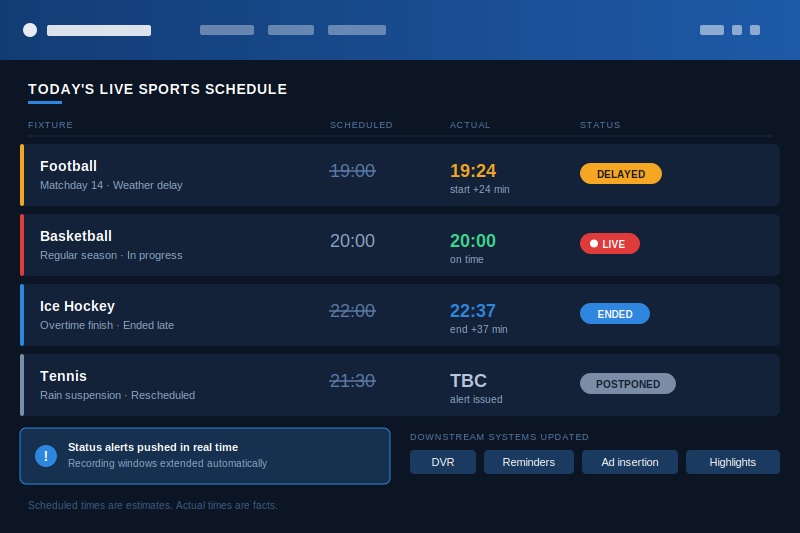
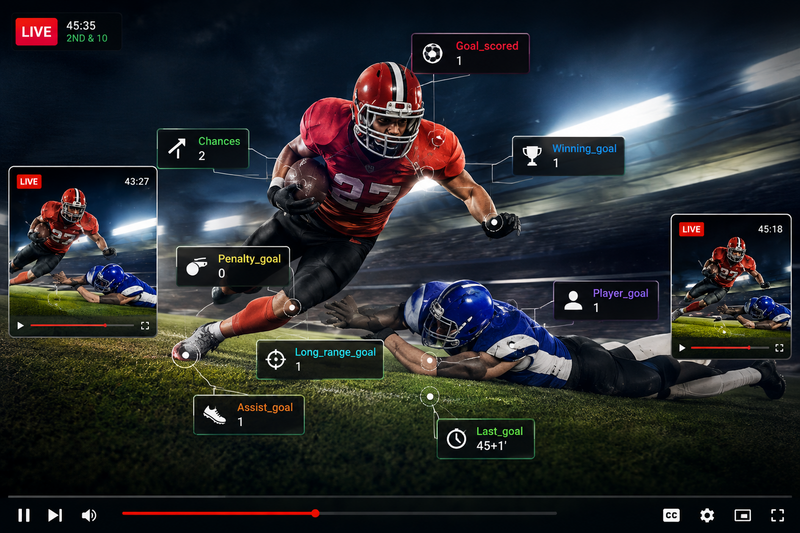
For a smooth and interesting user experience, virtual sports data feeds are essential. These data feeds replicate the intricacy and thrill of actual sports by offering real-time updates and thorough statistics on virtual encounters. Betting systems may provide bettors with a realistic setting where they can place bets based on in-depth knowledge by including elements like player biographies, match results, and game stats. This information, which is reliable and updated often, helps bettors make wise choices, improving their entire experience and platform confidence.
 AI in virtual sports
By producing dynamic simulations that mimic the unpredictable nature of actual sporting events, artificial intelligence (AI) in virtual sports enhances this experience. Virtual matches gain authenticity thanks to sophisticated AI algorithms that provide realistic game outcomes, strategic gaming variants, and player behaviors. These methods, when paired with simulated sports analytics, give extensive insights into betting patterns and gaming trends, enabling operators to improve simulations and deliver better betting possibilities. Another important function is the integration of eSports data, which feeds live esports data into betting platforms to provide consumers access to player performances, odds changes, and match statistics in real-time esports games. By bridging the gap between traditional and virtual sports betting, this integration offers fans a thorough, dependable, and data-driven betting environment.
Final Thoughts
Traditional betting markets have been significantly impacted by virtual sports. The new kind of entertainment runs on its own without relying on actual athletic events thus it has become a better source of entertainment for betting fans. Traditional sports betting won't be replaced by virtual sports completely, but they will work in tandem to produce a vibrant and varied betting environment.
Virtual sports betting and traditional internet betting differ in a few ways. The results of regular sports betting depend on the players' tactics and abilities. The ultimate score in virtual sports is determined by a random number. Incorporate virtual sports data feed into your betting platform today book a demo with Data Sports Group.