Traditional approaches to evaluating sponsorship and media rights are no longer adequate in the modern sports market when fan attention is divided and competition for screen time is intense. In order to maximize exposure, brands and sports organizations are now using real-time data analytics and sports data for broadcasting. The delivery of sponsorship value and the structure of media partnerships are being redefined by this move toward quantifiable, data-driven ROI initiatives. The incorporation of rich, real-time analytics into sports programming is assisting stakeholders along the value chain in making more informed decisions, from customized advertising placements to real-time viewer engagement tracking. And the clever use of sports data is at the heart of this change.
Data Is Sponsorship Valuation's New Currency
Sports have always relied heavily on sponsorship, but companies are no longer satisfied with bird’s eye perceptions and approximations. They are looking for quantifiable results, specific exposure, and concrete data. Data-driven ROI changes everything at this point. Sponsors may evaluate not only the location of their logos but also their duration of visibility, viewership, and demographics reached by utilizing real-time data. By enabling businesses to assess performance down to the last second, this degree of detail transforms sponsorship from a branding exercise into a quantifiable marketing channel.
How Media Rights Negotiations Are Shaped by Sports Data
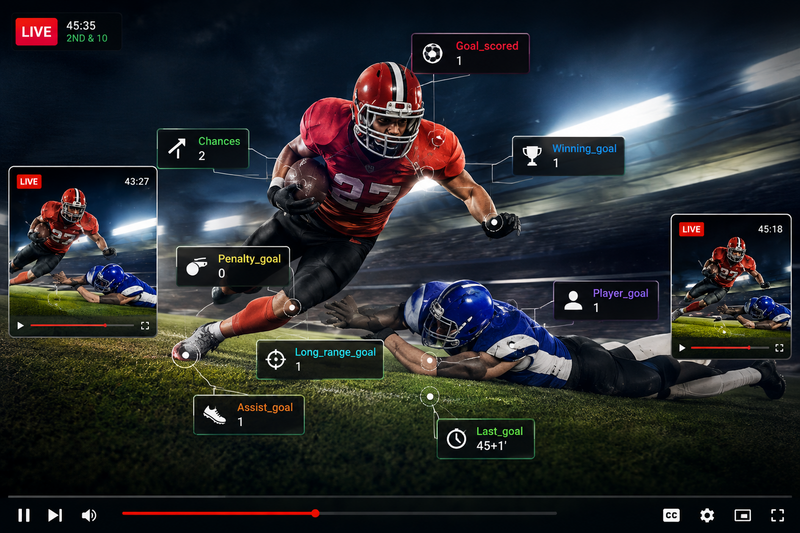
League popularity and past ratings are no longer the only factors used to evaluate the value of media rights. In order to assess the level and caliber of participation, media rights buyers and sellers are instead relying significantly on sports data for broadcasting. Media companies are negotiating more intelligently thanks to metrics like average watch time, interactive audience, and device-based consumption habits. Player monitoring, in-game statistics, and audience behavior analytics are examples of real-time data feeds that improve the broadcast and viewing experience, ultimately raising the value of the rights. For instance, broadcasters may draw in both casual viewers and betting audiences by superimposing real-time odds or dynamic player statistics during live streaming. This makes their product more interesting and lucrative to both sponsors and marketers.
Real-Time Data Delivers Real-Time Results
 One of the real-time data's greatest advantages is its instantaneity. It enables marketers to make snap decisions, such as changing the placement of advertisements during a game or launching a social media campaign in response to events that are happening. Real-time odds and live performance statistics may also be utilized to trigger programmatic ad campaigns that react quickly to match dynamics for sports firms that oversee several sponsorships. Without real-time data feeds, it would be impossible for a sports drink company to increase ad exposure the instant a player reaches top speed or for a fantasy platform to transmit changes as real-time scores change.
Fan Engagement = Sponsor Satisfaction
Fan interaction and sponsorship ROI are tightly related. The value of the sponsor's presence increases with the level of fan interaction with the game. Platforms and broadcasters may provide captivating experiences that engage audiences by using sports data for broadcasting, such as heat maps, live statistics, and graphical player analytics. In addition to improving the game-watching experience, these data-driven tools increase the efficacy and reach of sponsor communications. Real-time data-driven enhanced storytelling improves audience sentiment and brand memory by making advertisements seem relevant rather than obtrusive.
Although the advantages of data are obvious, obtaining timely, reliable, and organized information is difficult. Data Sports Group (DSG) is unique in this regard.
Pre-game, in-play, and post-match datasets for all major sports worldwide are among the many sports datasets that DSG provides for broadcasting. Our real-time, high-frequency APIs are designed to easily interface with media broadcasters, betting firms, and sports platforms. DSG is particularly useful since it may offer historical insights and real-time odds in addition to real-time data, which can help with performance benchmarking and predictive analytics. This allows customers to get the most out of both short-term, event-based campaigns and long-term sponsorship initiatives. DSG assists sports companies in turning spectator interest into quantifiable, data-driven return on investment in a market where every second of exposure matters.
Using Data to Future-Proof Sports Sponsorship
 The importance of real-time data and analytics will only increase as the sports ecosystem becomes more digitally integrated. Platforms will need to precisely demonstrate their impact, and brands will expect greater responsibility. Standard KPIs for media rights negotiations and sponsorship agreements will include real-time odds, viewership patterns, and behavioral data. Businesses that don't incorporate these findings run the danger of slipping behind. However, those that make data investments today, particularly with partners like Data Sports Group, are setting themselves up for more intelligent sponsorships, increased engagement, and sustained revenue development.
A new age of accountability driven by predictive analytics, real-time data, and quantifiable effects has replaced the age-old gut feeling. It is now imperative to be able to provide data-driven ROI for anything from real-time odds to detailed sports statistics for broadcasting. Working with a reputable data supplier like Data Sports Group guarantees access to high-quality, actionable insights that transform attention into long-lasting effect and exposure into profit for sports firms, media platforms, and sponsors seeking to uncover actual value.